
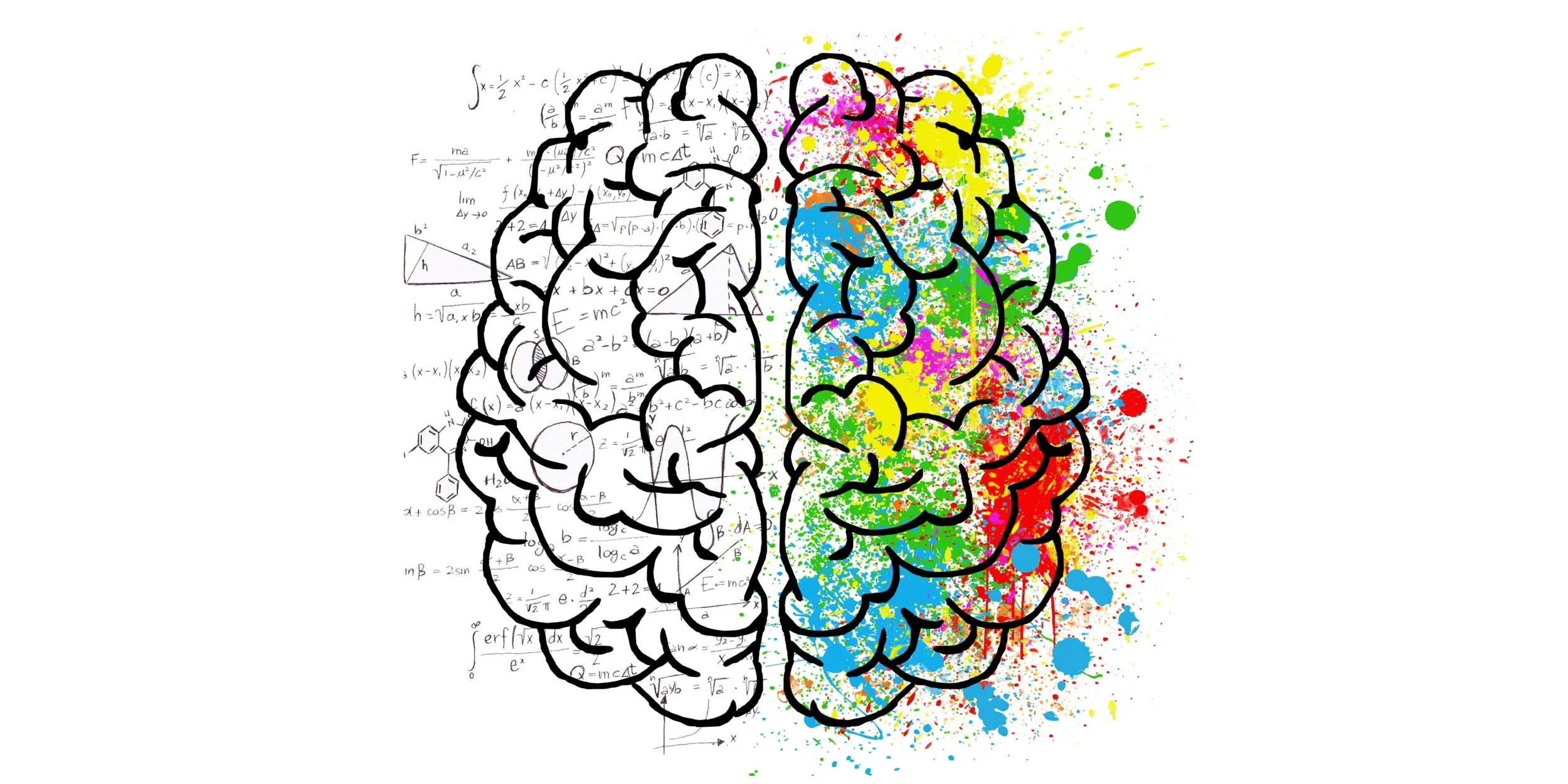
The Subconscious Mind
Why It Is Important to Work With the Subconscious Mind When Creating Change
The conscious mind can understand what you want to change, but the subconscious mind is the part that actually drives your emotional and behavioural patterns. When you try to create change only at the conscious level, you are updating the instructions in the part of the mind that does not control the behaviour.
The subconscious drives most emotional and behavioural patterns
The subconscious is where emotional memories, automatic reactions, long‑held beliefs, habits, and identity patterns are stored. If a pattern lives there, conscious effort alone cannot override it for long.
The conscious mind is logical, but emotions do not respond to logic
You can know you are safe, worthy, capable, or good enough, but if the subconscious
holds a conflicting emotional imprint, the emotional response will always take over.
This is why people often say things like:
“I know it is irrational, but I still feel it.”
“I understand the logic, but I cannot shake the reaction.”
Logic does not rewrite emotional memory. Subconscious work does.
The subconscious runs on automatic programming
Most daily thoughts, reactions, and behaviours are subconscious. The conscious mind is only a small part of your mental activity. Trying to change deep patterns consciously is like trying to steer a ship by adjusting the deck chairs.
The subconscious responds to imagery, emotion, and pattern interruption
Modalities such as IEMT, hypnotherapy, EMDR, and somatic approaches work so well because they speak the language of the subconscious. They use sensory experience, emotional shifts, and pattern updates rather than logic and analysis.
Conscious change is slow, while subconscious change is fast
Conscious change relies on willpower, repetition, and constant effort. Subconscious change happens when the emotional imprint itself shifts. Once the root changes, the behaviour changes naturally.
A Simple Analogy
The conscious mind is the gardener.
The subconscious mind is the soil.
You can tell the gardener to plant roses instead of weeds, but if the soil is full of old roots, the weeds will keep returning. When you change the soil, the garden transforms with ease.