
Negative Memories and Emotions
Processing Difficult Memories and Emotions
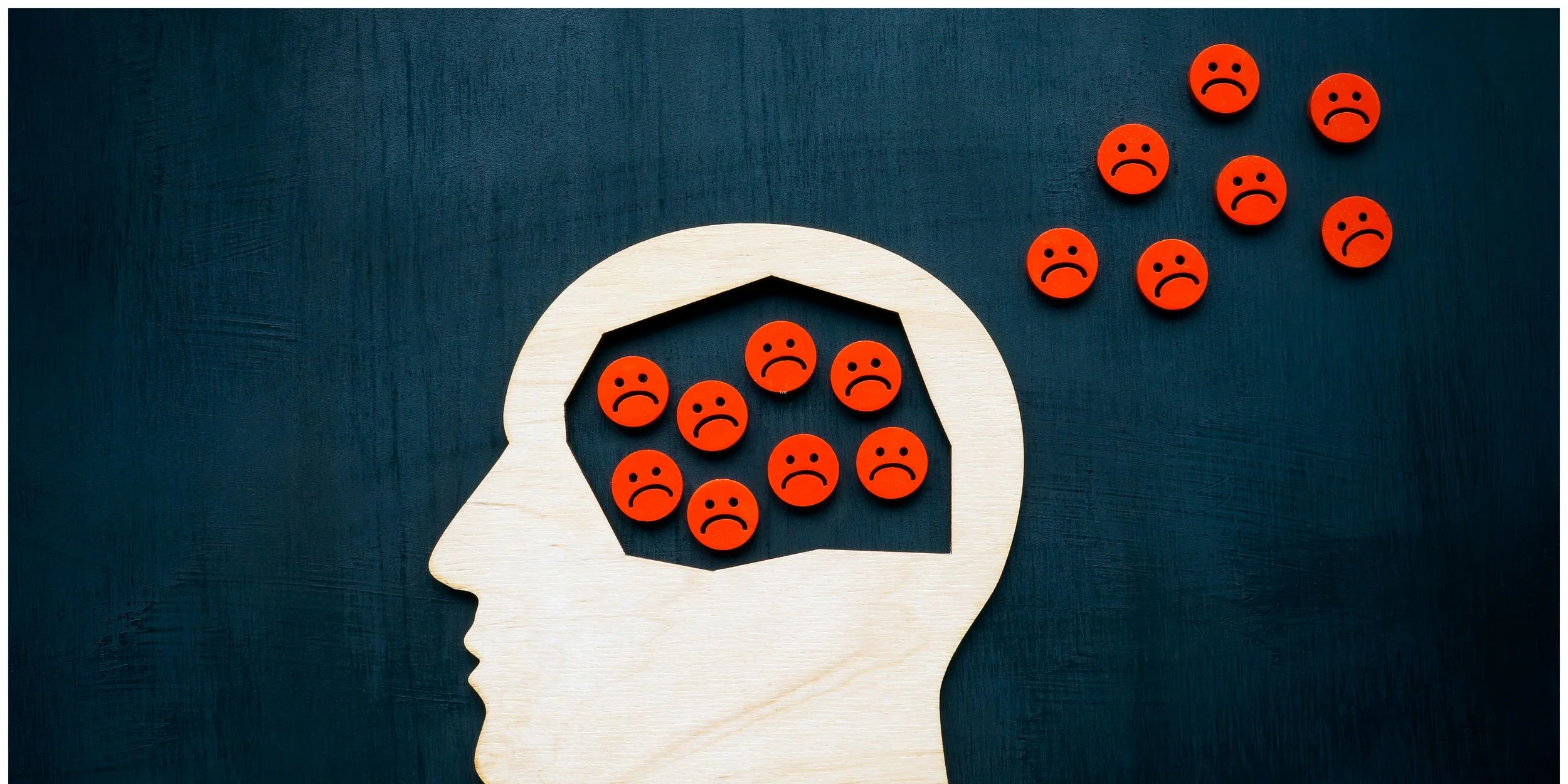
Negative memories and difficult emotions are a natural part of being human. They often form during moments when we feel overwhelmed, unsafe, or unable to process what is happening. Even long after the event has passed, the mind can hold on to the emotional imprint as if it is still relevant today.
These memories are not always stored as clear stories. Sometimes they show up as flashes of imagery, physical sensations, or sudden emotional reactions that seem out of proportion to what is happening in the moment. This is because the brain learns through experience. When something feels threatening or emotionally intense, the mind creates strong links between what happened and how it felt. Over time, these links can become automatic patterns that influence how we think, feel, and behave.
Why some memories and emotions do not resolve on their own
The brain is designed to protect us. If it believes something was dangerous or deeply upsetting, it may continue to trigger the same emotional response whenever it senses something similar. This can happen even when the original situation is long gone.
Common examples include
Feeling anxious in situations that remind you of past stress
Reacting strongly to certain people or tones of voice
Holding on to guilt, shame, or fear that no longer fits your current life
Replaying old memories that still feel emotionally charged
These patterns are not signs of weakness. They are simply learned responses that have not yet been updated.
A different approach - how IEMT Helps
Integral Eye Movement Therapy (IEMT) works by helping the brain update how it stores and responds to past experiences. Instead of talking through the memory in detail, IEMT uses guided eye movements to interrupt old emotional patterns and create new neurological pathways.
During an IEMT session, you remain fully aware and in control. The process helps the mind separate the memory from the emotional intensity attached to it. Many people describe feeling lighter, clearer, and more grounded as the emotional charge reduces.
IEMT can support you in
Reducing the emotional impact of difficult memories
Softening long standing patterns of anxiety, guilt, or overwhelm
Breaking repetitive emotional loops
Creating a calmer, more stable internal state
Why This Approach Works
IEMT focuses on how the brain encodes emotional experiences rather than why the event happened. By shifting the way the memory is held, the emotional response naturally changes. This allows you to move forward without being pulled back into old patterns.
It is a gentle, structured method that helps people feel more in control of their emotional world and more connected to who they are today rather than who they were when the memory was formed.
.